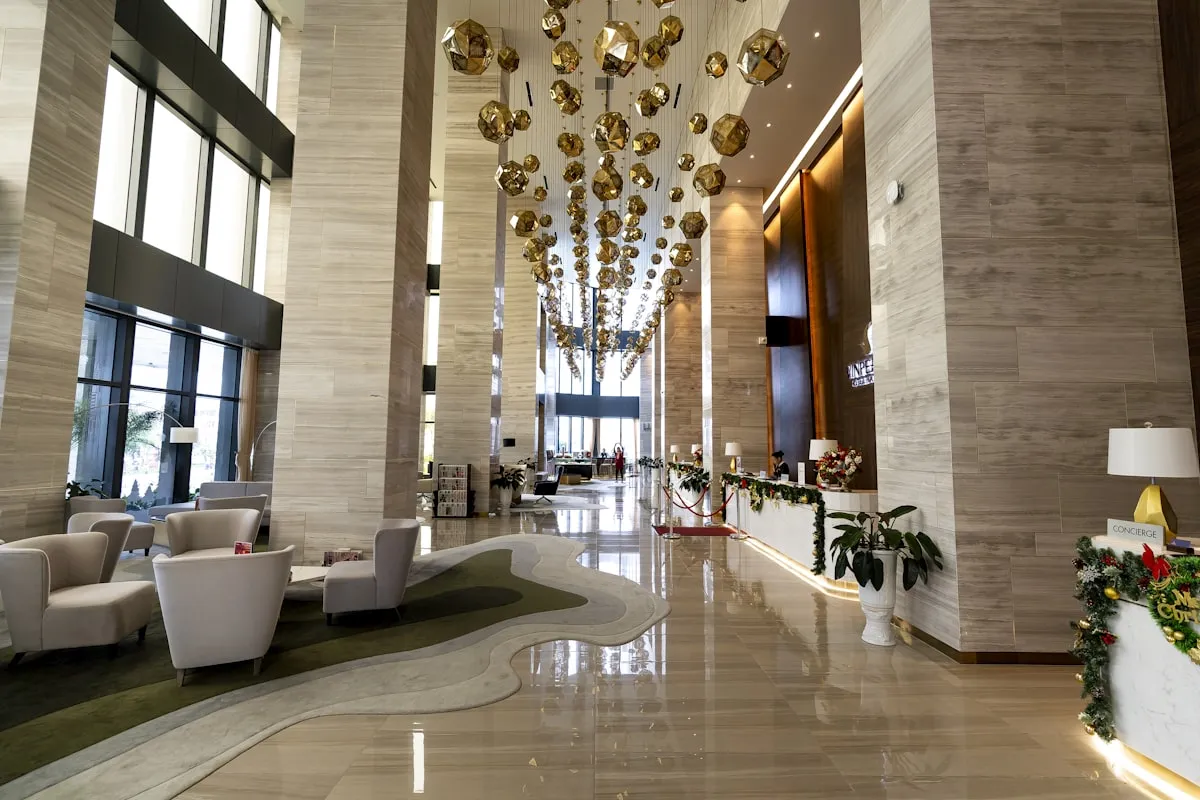
Walk into any well-designed luxury property and you may not consciously notice it, but your emotional state shifts from room to room. The lobby feels grand and welcoming. The spa feels calm and restorative. The fitness center feels energizing. This isn't accidental, it's scent zoning, and it represents the next frontier of environmental design.
What Is Scent Zoning?
Scent zoning is the practice of assigning different fragrances to different areas within a single environment. Rather than diffusing one uniform scent throughout an entire building, scent zoning treats each space as its own olfactory experience, tailored to the function, mood, and emotional intention of that area.
A hotel lobby might feature a warm, inviting blend of amber and vanilla to create a sense of arrival. The hallways transition to something lighter and cleaner, perhaps a fresh linen or white tea note. The spa area deepens into lavender and eucalyptus for calm and restoration. Each zone has a purpose, and each fragrance serves that purpose.
The Rise of Mood Architecture
Scent zoning is part of a broader movement that designers and brand strategists are calling environmental mood architecture, the deliberate design of multi-sensory environments where lighting, sound, texture, and fragrance work together to shape how people feel in a space.
Interior designers have long understood mood through color and lighting. Architects shape emotion through scale and proportion. What's new is the recognition that scent is the most emotionally direct of all sensory channels, and that it can be designed with the same intentionality as a color palette or a lighting scheme.
The convergence of fragrance and interior design is creating a new discipline: spaces that don't just look beautiful, but feel intentional at every sensory level. This is scent as mood architecture, fragrance as a design material, not an afterthought.
How Scent Zoning Works in Practice
Effective scent zoning requires thoughtful planning. Here's how leading brands approach it:
- Entry & Lobby: The branded scent signature, the fragrance that becomes synonymous with the brand. Warm, memorable, and welcoming. This is the first impression and the scent guests remember most
- Corridors & Transitions: Lighter, neutral scents that serve as palate cleansers between zones. Clean cotton, soft citrus, or gentle green tea notes work well
- Restrooms: Fresh, clean scents that signal hygiene, eucalyptus, mint, or ozonic notes that counteract rather than mask
- Spa & Wellness: Calming, restorative blends, lavender, chamomile, sandalwood. Lower diffusion intensity for a subtle, enveloping presence
- Fitness Areas: Energizing scents, peppermint, citrus, rosemary. Research shows these improve perceived energy and athletic performance
- VIP & Premium Spaces: Rich, exclusive blends, oud, leather, rare woods. These scents signal luxury and exclusivity
The Technology Behind Zoning
Modern cold air diffusion systems make scent zoning practical at any scale. HVAC-integrated scent systems can deliver different fragrances through different ductwork zones, while standalone diffusers can be placed strategically to create distinct scent boundaries.
The key is managing scent boundaries, ensuring that one zone's fragrance doesn't bleed into another. This requires understanding airflow patterns, diffuser placement, and fragrance intensity. At Scentpression, we map your space's air circulation before recommending a zoning plan, ensuring clean transitions between olfactory environments.
Who Benefits from Scent Zoning?
Any multi-room or multi-function environment benefits from scent zoning:
- Hotels & Resorts: The most natural application, lobby, rooms, spa, restaurant, and pool areas each deserve their own scent identity
- Corporate Campuses: Reception areas, meeting rooms, break rooms, and executive floors can each have distinct olfactory signatures
- Retail Flagships: Different departments or floors can use scent to create distinct shopping moods, from energetic street-level entrances to intimate VIP fitting rooms
- Healthcare Facilities: Waiting rooms, treatment areas, and recovery spaces all benefit from different calming and confidence-building fragrances
- Luxury Residences: High-end homeowners are bringing scent zoning into private spaces, different fragrances for the entryway, living room, bedroom, and home office
Scent zoning transforms a building from a single-scent space into a sensory journey, where every room tells a different part of your brand's story.
Designing Your Scent Zones
The first step is understanding what each space in your environment is designed to accomplish. A space intended for focus needs a very different fragrance than a space designed for relaxation. A space meant to impress needs something different from a space meant to comfort.
At Scentpression, our consultation process maps your entire environment, function by function, zone by zone, and recommends a fragrance palette that creates a cohesive yet varied sensory experience. We draw from our collection of over 240 curated fragrances to build a branded scent signature that includes primary, secondary, and accent scents for every zone in your space.
Ready to Design Your Scent Zones?
Book a free consultation and let us map a fragrance plan tailored to every area of your space.
Book Your Consultation